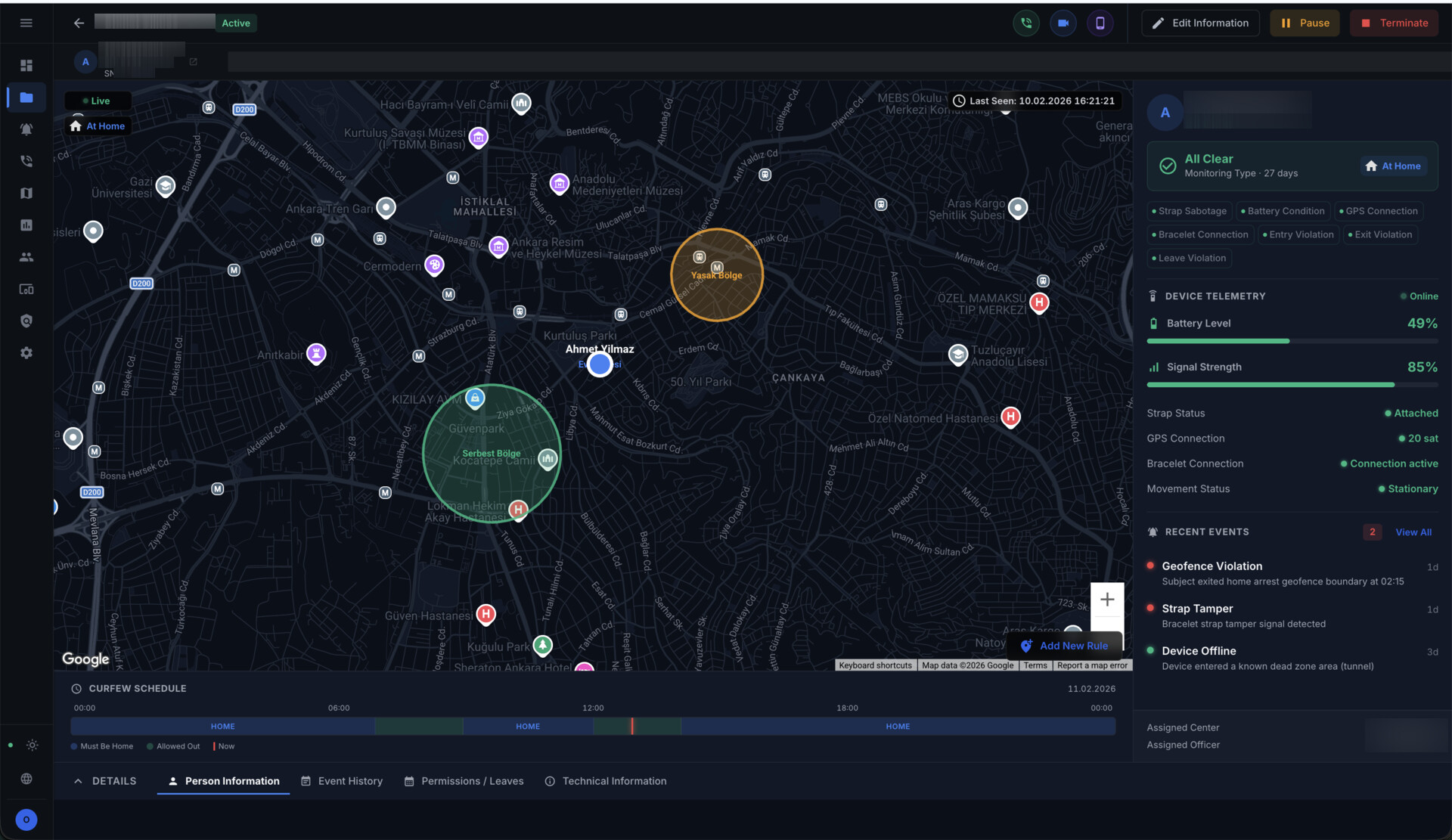
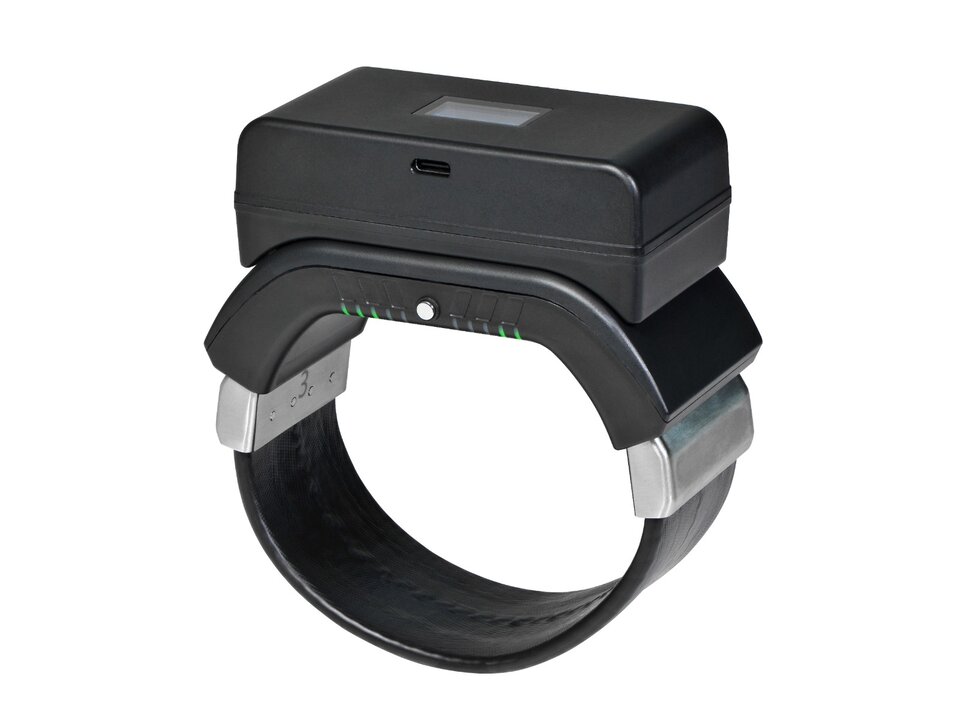
GPS Ankle Monitor Hardware: Beyond the Brochure Specs
Device manufacturers publish impressive specifications — 40-hour battery life, sub-meter GPS accuracy, IP68 water resistance. Field reality is different. Battery life drops to 18-22 hours with aggressive reporting intervals. GPS accuracy degrades to 15-50 meters in urban canyons and indoor environments due to multipath interference. Water resistance holds up, but the silicone strap degrades faster than the electronics. Understanding these real-world performance characteristics is essential for program planning, especially when setting geofence boundaries and alert thresholds.
Tamper Detection: The Arms Race That Never Stops
Modern ankle monitors use multiple tamper detection methods: fiber-optic strap integrity sensing, skin proximity detection via capacitive sensors, accelerometer-based removal detection, and light sensors that trigger when the strap is cut. Despite all these layers, determined subjects still attempt removal. The difference between a good device and a mediocre one is not whether tamper attempts succeed — it is how quickly and reliably the system detects and reports them. Sub-60-second tamper-to-alert time is the benchmark. Anything longer creates an operational gap that high-risk subjects can exploit.
Battery Management Across Large Deployments
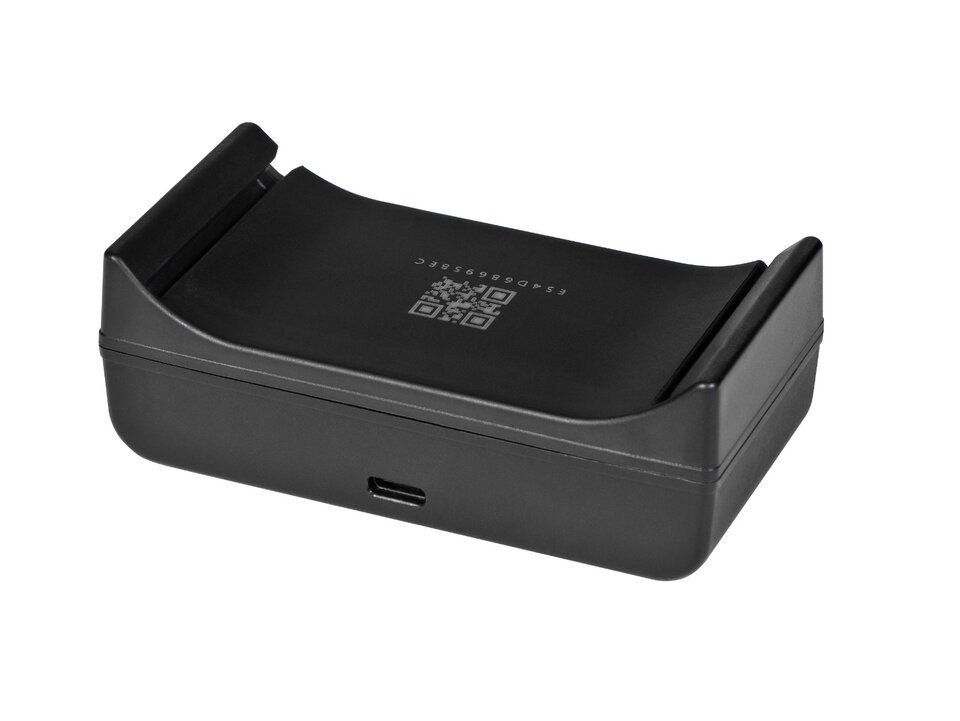
Battery is the single largest operational headache in device-based monitoring programs. A deployment of 5,000 devices generates roughly 200-300 low-battery alerts per day, each requiring either a subject visit or a charging reminder. Platforms that provide predictive battery management — forecasting which devices will hit critical levels within the next 8 hours based on usage patterns and reporting intervals — transform this from a reactive firefighting exercise into a manageable scheduled operation. The compliance dashboard should surface battery health trends across the entire fleet, not just individual device alerts.
Home Beacon Technology and Residence Monitoring
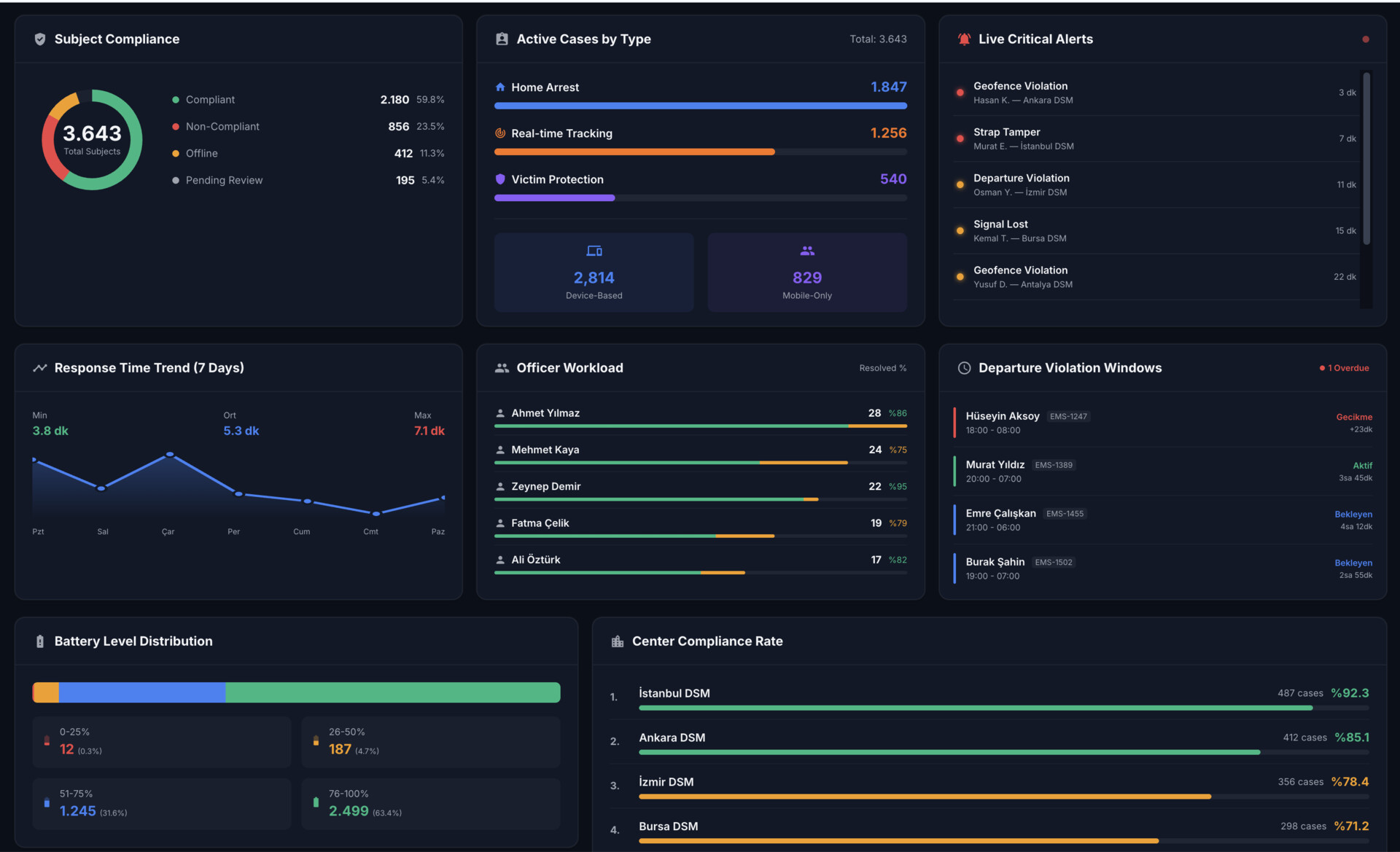
Home beacon units create a monitored zone within a subject's authorized residence using short-range radio communication with the ankle monitor. When the ankle device detects the beacon signal, it confirms the subject's presence without consuming GPS battery. This is not just a convenience feature — it extends effective battery life by 30-40% for subjects under house arrest or curfew programs. Beacon placement, signal range calibration, and interference management are operational details that materially affect program reliability.
Device Lifecycle and Warehouse Operations
A frequently overlooked aspect of hardware-based monitoring is device logistics. Devices arrive from the manufacturer, undergo acceptance testing, get assigned to subjects, returned after program completion, sanitized, refurbished, and redeployed. Each device might cycle through 4-6 subjects over its operational life. Without systematic warehouse management — including device health tracking, firmware updates during turnaround, and strap replacement scheduling — hardware programs accumulate maintenance debt that eventually surfaces as field failures. An 18% annual hardware attrition rate is common in programs without structured lifecycle management.
The Shift Toward Mixed-Mode Monitoring
The most significant trend in electronic monitoring hardware is not a device improvement — it is the strategic shift toward mixed-mode programs. High-risk subjects receive dedicated ankle monitors. Lower-risk populations are monitored through secure mobile applications on their own smartphones. Both populations are managed from the same platform and command center. This approach reduces per-subject cost by 60-70% for the mobile-monitored group while maintaining institutional-grade oversight. The key requirement is a platform that treats both modes as equal operational channels, not as a primary system and an afterthought.